நமது இந்திய அரசியல் சாசனம் 76-ஆவது ஆண்டில் அடிெயடுத்து வைக்கும் இந்த வேளையில், உயர் நீதிமன்ற நீதிபதிகளின் நியமனத்தில் சமூகத்தின் பல்வேறு பிரிவினருக்கான பிரதிநிதித்துவம் குறைந்து வரும் போக்கு கவலைக்குரியதாக இருக்கிறது.
இந்தியாவின் அற்புதமான பன்முகத்தன்மை கொண்ட சமூகத்தைப் பிரதிபலிப்பதாக இல்லாத வகையில் உயர் நீதிமன்றங்களில் பன்முகத்தன்மைப் பற்றாக்குறை உள்ளது.
உச்சநீதிமன்றத்திலும் – உயர்நீதிமன்றங்களிலும் பல்வேறு சமூக குழுக்கள் போதிய பிரதிநிதித்துவம் இல்லாமல் உள்ளன.உயர்நீதிமன்ற நீதிபதிகளின் நியமனச் செயல்முறையில் வெளிப்படையான பாகுபாடு காணப்படுகிறது.
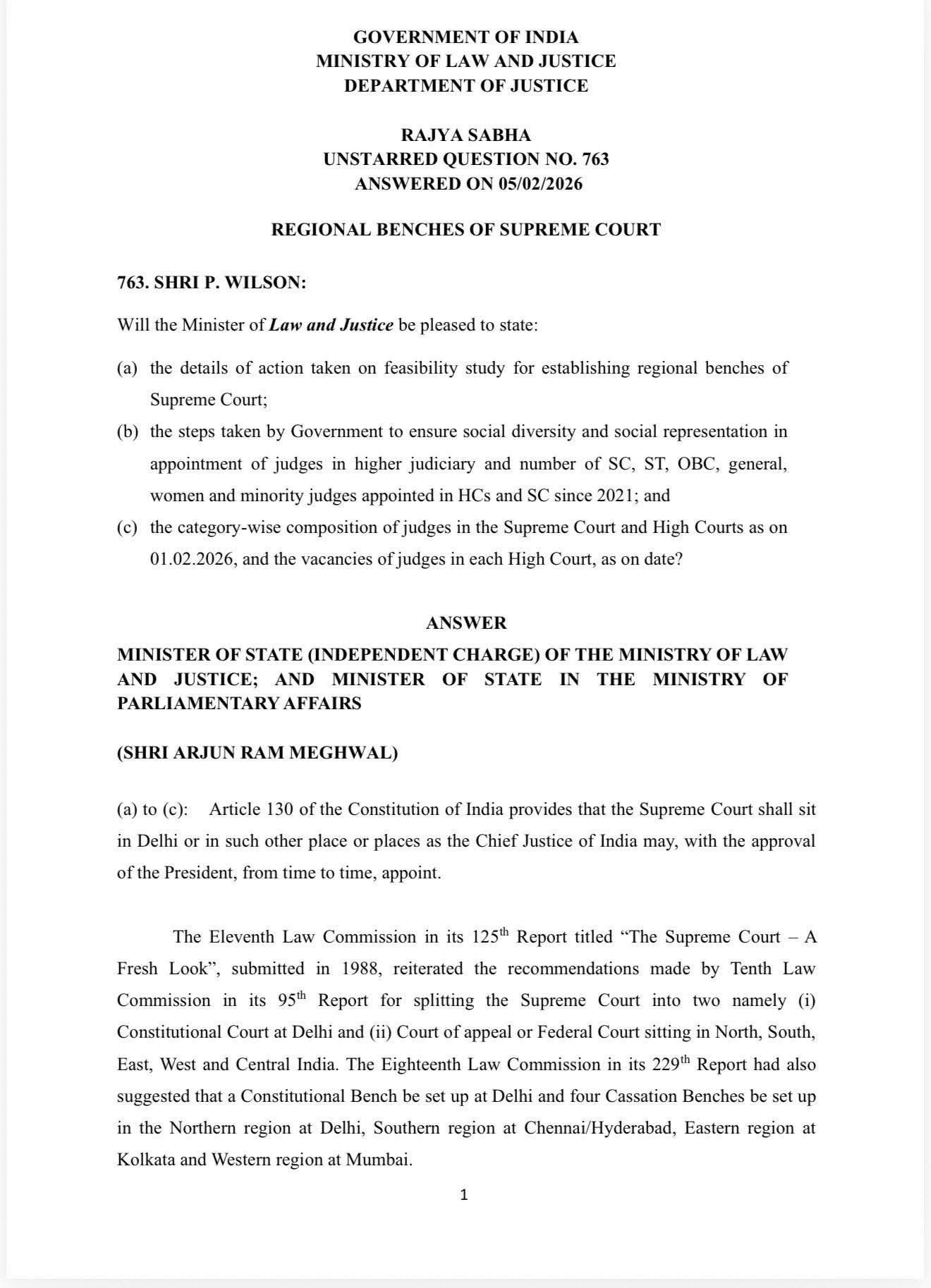
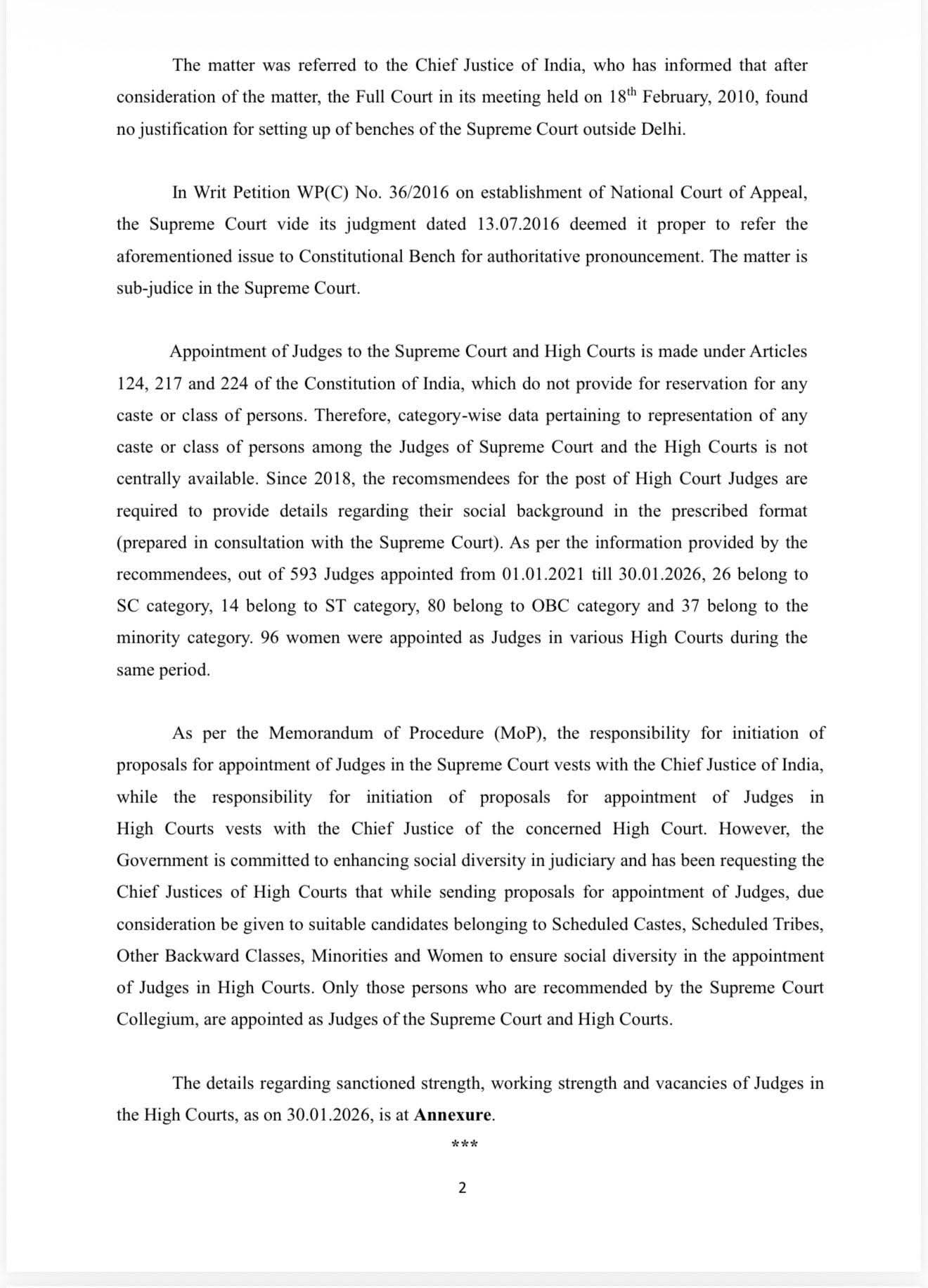
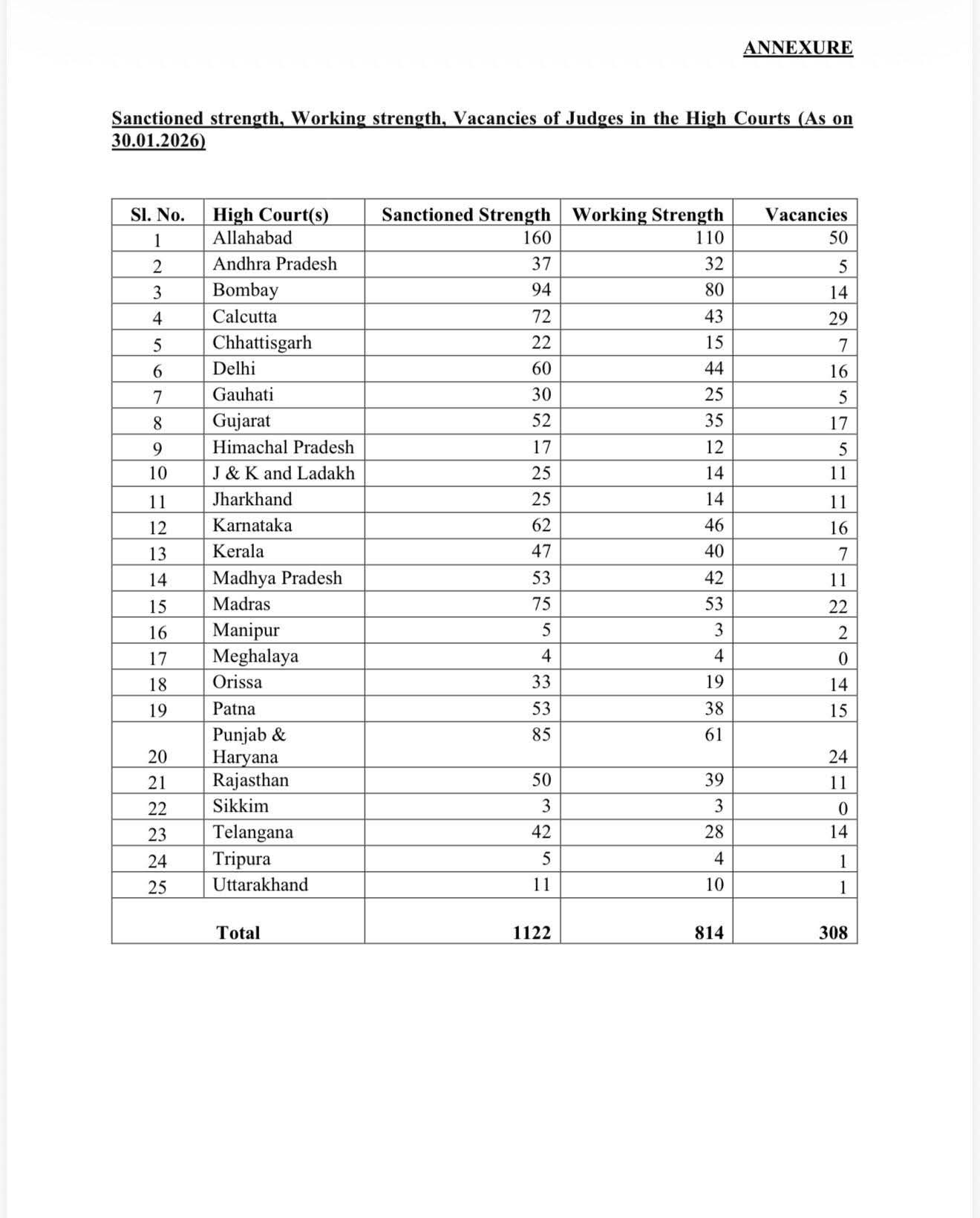
2021 முதல் 2026 வரையிலான காலக்கட்டத்தில், நாட்டின் பல்வேறு உயர் நீதிமன்றங்களுக்கு நியமிக்கப்பட்ட நீதிபதிகளில் OBC, SC மற்றும் ST சமூகத்தினரின் பிரதிநிதித்துவம் குறைவாக உள்ளது குறித்து ஒன்றிய சட்ட அமைச்சர் வழங்கிய தரவுகளைக் கண்டு நான் மிகுந்த அதிர்ச்சியும் வேதனையும் அடைகிறேன்.
01.01.2021 முதல் 30.01.2026 வரை நியமிக்கப்பட்ட 593 நீதிபதிகளில், 26 பேர் SC சமூகத்தையும் , 14 பேர் ST சமூகத்தையும், 80 பேர் OBC சமூகத்தையும் சேர்ந்தவர்கள்.
சதவீத அடிப்படையில் பார்த்தால்,
2021 – 2026 (மொத்த நீதிபதிகள்: 593)
• SC: 4.38% (26)
• ST: 2.36% (14)
• OBC: 13.49% (80)
• FC: 79.76% (473)
2024-ஆம் ஆண்டு நாடாளுமன்றத்தில் சட்ட அமைச்சரிடம் இதே விவகாரம் குறித்து நான் கேள்வி எழுப்பியபோது, 2018 முதல் 2024 வரை நியமிக்கப்பட்ட நீதிபதிகள் தொடர்பான தரவுகள் என்னிடம் வழங்கப்பட்டன. அவையும் தற்போதைய தரவுகளைப் போலவே மிக மோசமாக இருந்தது.
2018 முதல் 30.10.2024 வரையிலான காலகட்டத்தில் மொத்தம் 684 பேர் உயர் நீதிமன்ற நீதிபதிகளாக பணியமர்த்தப்பட்டுள்ளனர்.
• SC: 3.07% (21)
• ST: 2.05% (14)
• OBC: 11.99% (82)
• மற்றவை: 82.89% (567)
இதன் மூலம், ஒடுக்கப்பட்ட மக்களின் உரிமைகள் முறையாக பாதுகாக்கப்படாமல் போகலாம் என்பதும், அதன் விளைவாக அவர்களின் உரிமைகள் பறிக்கப்படும் அபாயம் உள்ளதும் உணர்த்தப்படுகிறது.
குறிப்பிட்ட சில சமூகங்களைச் சேர்ந்த, ஒருபடித்தான பின்புலம் கொண்ட நீதிபதிகள் மட்டுமே நீதித்துறையில் இருப்பது, சமூகத்தின் பன்முகத்தன்மை கொண்ட மதிப்புகளையும், விழுமியங்களையும் பிரதிபலிக்காது என்பது மக்களின் கவலையாக உள்ளது. குறிப்பாக, கலாச்சாரம் மற்றும் தலைமுறை வேறுபாடு சார்ந்த விவகாரங்களில், அவர்கள் சட்டங்களைச் சமூகப் பார்வையோடு அணுகாமல் தங்களின் சொந்த சமூக-பண்பாட்டு பின்னணியை அடிப்படையாகக் கொண்டு அணுகும் சூழல் நிலவுகிறது.
பன்முகத்தன்மை வாய்ந்த நீதித்துறை என்பது இன்றியமையாதது.
அது இல்லையெனில், போதிய பிரதிநிதித்துவம் இல்லாத சமூகக் குழுக்களின் உரிமைகளுக்கு ஆபத்து ஏற்படக்கூடும். அதனூடாக பாகுபாடு உருவாகும் வாய்ப்பும் அதிகரிக்கும்.
வரலாற்று ரீதியாக ஒடுக்கப்பட்ட சமூகங்களில் இருந்து நீதிபதிகள் இல்லாதிருப்பது உணர்த்துவது என்னவென்றால், இது தகுதி இல்லாமையாலோ அல்லது ஆட்கள் கிடைக்காததாலோ ஏற்பட்ட பற்றாக்குறை அல்ல, மாறாக அவர்களை நீதித்துறையிலிருந்து ஒதுக்கி வைக்க வேண்டும் என்பதற்காக எடுக்கப்பட்ட திட்டமிட்ட பாரபட்சமான முடிவே ஆகும்.
குறிப்பிட்ட சில சமூகப் பிரிவினரின் அதீதப் பிரதிநிதித்துவம், தற்போதைய கொலிஜியம் அமைப்பின் நடுநிலைமையை கேள்விக்குள்ளாக்குவதோடு, சமூகப் பிரிவினைகளைக் கடந்து நீதிபதிகளைத் தேர்வு செய்வதில் அந்த அமைப்பு தோல்வி அடைந்துள்ளதையும் வெளிக்காட்டுகிறது.
உயர்நீதித்துறை என்பது முன்னேறிய வகுப்பினருக்கானது மட்டுமல்ல.
ஆகவே, உயர்நீதிமன்றங்கள் மற்றும் உச்சநீதிமன்ற நீதிபதிகள் நியமனத்தில் OBC / SC / ST சமூகங்களுக்கு மக்கள் தொகை விகிதத்திற்கேற்ப பிரதிநிதித்துவம் கிடைக்கவும், அதன் மூலம் சமூகத்தின் பன்முகத்தன்மை உறுதி செய்யப்படவும், அரசியலமைப்புச் சட்டத்தில் திருத்தங்களை மேற்கொள்ள மாண்புமிகு பிரதமர் திரு.நரேந்திர மோடி அவர்களை வலியுறுத்தி கேட்டுக்கொள்கிறேன்.
As we enter the 76th year of our Constitution, concerning trends persist in the composition of the High Court judges, with declining representation from various sections of society. There is a notable diversity deficit in High Courts, which does not reflect the wonderfully diverse and pluralistic society of India. Many social groups are underrepresented in the High Courts and the Supreme Court. There is evident discrimination in the recruitment process for High Court judges!
I am deeply shocked and saddened by the data provided by the Union Law Minister @arjunrammeghwal regarding the poor representation of OBC, SC, and ST communities in High Court judge posts across various High Courts for the years 2021-2026. Out of 593 judges appointed from 01.01.2021 to 30.01.2026, 26 belong to the SC category, 14 to ST, and 80 to OBC.
Here are the percentages:
2021 – 2026 (Total: 593)
• SC: 4.38% (26)
• ST: 2.36% (14)
• OBC: 13.49% (80)
• Forward caste: 79.76% (473)
Interestingly, I questioned the Law Minister on the floor of Parliament in 2024 when I was given data for 2018-2024, which is equally dismal!
For the period 2018 – 30.10.2024 -Total: 684 HC judges recruited.
• SC: 3.07% (21)
• ST: 2.05% (14)
• OBC: 11.99% (82)
• Others: 82.89% (567)
This suggests that the rights of the downtrodden may not be adequately safeguarded, potentially leading to infringements and violations. People are concerned that a narrow, homogeneous group of judges from certain classes may not reflect society’s diverse views and values, especially on issues related to culture and generational differences, as they tend to interpret laws based on their own backgrounds. A more diverse judiciary is essential; without it, the rights of underrepresented groups are at greater risk, which could, in turn, lead to discrimination. The lack of judges from historically oppressed groups is telling; it is not due to a lack of qualifications or non-availability, but a firm decision to discriminate and keep them away from the judiciary.
The overrepresentation of certain groups calls into question the objectivity of the current collegium system and its failure to recruit from across social divides.
The higher judiciary is not solely the preserve of forward castes, Hon’ble PM @narendramodi. Please bring a constitutional amendment in the appointment of High Court and Supreme Court judges to reflect OBC/ SC / ST in proportionate representation and thus have social diversity.
#DMK – Dravida Munnetra Kazhagam, #M. K. Stalin,# Udhayanidhi Stalin, # DMK ITWing,# DMK Youth Wing
#HighCourt #SupremeCourt #Judicial
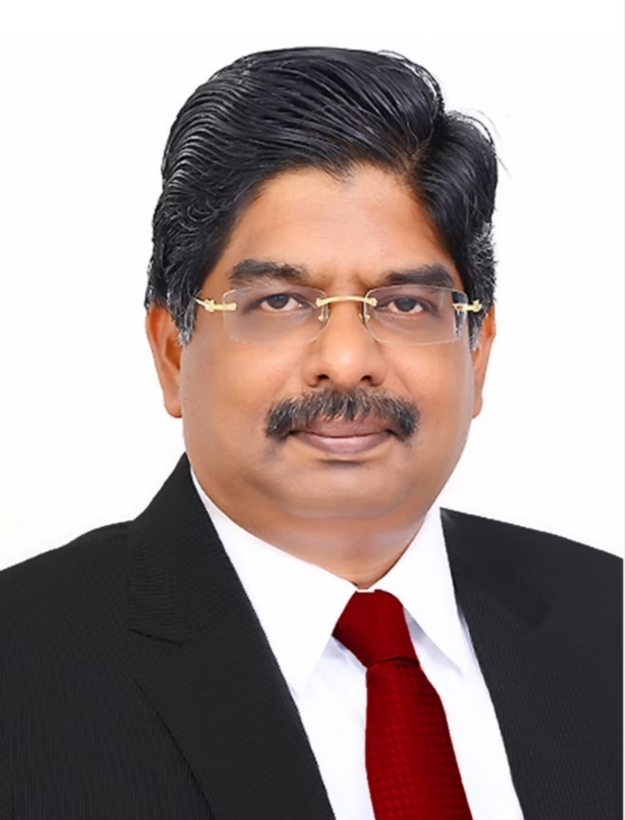
P. Wilson
Member of Parliament
Supreme Court Advocate.
பதிவு:
ஷேக் முகைதீன்
இணை ஆசிரியர்
தமிழ்நாடு டுடே செய்திகள் குழுமம்.
